About Us
Jamnagar History
Jamnagar was established as the capital of the Princely State of Nawanagar in 1540 A.D. Jamnagar, also known as Nawanagar (the new town), was one of the Jadeja’s most prominent princely republics in the Saurashtra region. Lord Shree Vishwakarma built Dwarka town for Lord Krishna in Jamnagar district after relocating from Mathura, according to Pauranik literature, the Jams of Nawanagar trace their origin to the Yadava race.
According to bardic traditions, Bahadurshah, the Emperor of Gujarat, was so impressed by Jam Lakhaji’s contribution in the siege of Pawagadh that he bestowed 12 villages on him.
An-overview-of-jamnagar-Origins
Jam Lakaji was assassinated by his relatives Tamachi Deda and Hamirji Jadeja as he was about to take control of his new fief. Jam Lakhaji’s son.
Jam Rawal, fled and, as he grew older, avenged his father’s murder by killing Hamirji Jadeja in the same manner. Khengarji and Sahibji, Hamirji’s two sons, fled to Delhi to do homage to the Mughal Emperor Humayun. The two brothers saved the Emperor from being slain by a lion during a lion hunt. An army was dispatched with them to reclaim their kingdom as a prize for their bravery. When Jam Rawal learned that the two princes were returning to Kutch with the imperial army, he began preparing for battle. He had a dream about the goddess Ashapura, who warned him that he had broken a pledge he had given in her name not to kill Hamirji, even though he was the one who killed his father. She had refrained from punishing him as he had at all other times honored her, but he was no longer to dwell in Kutch but cross the sea and reside in Kathiawar instead.
Jam Rawal and his retinue marched out of Kutch, assassinated King Tamachi, the other conspirator in his father’s assassination, and captured Dhrol and its outposts. Jam Rawal gave his brother Hardholji the rule of Dhrol region, but he was killed in battle, and the throne fell to his eldest son, Jasoji. Jam Rawal established his dominion by conquering areas of Saurashtra.
On a hunting excursion in what is now Jamnagar, a hare was brave enough to turn on the hunting hounds and chase them away. Jam Rawal was so taken aback by this that he decided to make this his capital, believing that if this country could breed such hares, the men born here would be superior to other men. On the 7th day of the bright half of the month of Srawan, VS 1596 (August 1540 AD), he laid the foundation of his new capital, which he named Nawanagar, on the banks of two rivers, the Rangmati and the Nagmati (new town). Jamnagar, which means “town of the Jams,” was the name given to Nawanagar over time.
Historical Jamnagar
Ranmal Lakhota Lake
Ranmal Lake, also known as Lakhota Lake, is located in the heart of Jamnagar and spreads over about 5 lakh square meters, divided into three parts. Constructed by Jam Ranmalji II between 1820 and 1852, the circular lake is a unique identity of the city. It enhances Jamnagar’s beauty and provides shelter to tourists and migratory birds. Pavilions, bastions, and artistic gardens surround the lake, offering peaceful resting spots. At the center stands the magnificent Lakhota Fort, reflecting rich architecture and the region’s cultural and compassionate spirit.
Vantara (Every life matters)
Amid the tranquil landscapes of Jamnagar, India, Vantara shelters over 150,000 animals representing 2,000+ species. Each one arrives with a story of struggle and survival. Through compassionate rescue, expert care, and nurturing support, we help them rediscover trust, safety, and the freedom they deserve.
Glance Of Jamnagar

Population
6+ lakh (approx.)

Language
Gujarati, Hindi, English

Most Atractions
Lakhota Fort, Bala Hanuman Temple, Khijadiya Bird Sanctuary

Major Industries
Oil Refining, Petrochemicals, Brass Parts
All The Kings Of Jamnagar
From 1540 to 1562, Jam Shri Rawaliji, a Sahib Jam Sahib of Nawanagar, had four sons. Instead of appointing one of them as heir, he adopted his own grandson Lakhaji Jiyaji Sahib (the son of his oldest son), and made him his heir.
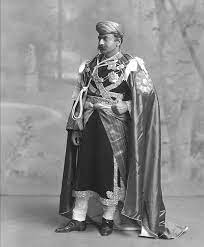
Colonel Maharajah Jam Shri Sir Ranjitsinhji Jadeja (1872–1933) was the Maharaja Jam Sahib of Nawanagar from 1906 to 1933 and a legendary cricketer for England and Sussex.
Educated in England, he achieved historic cricket records, including 3000 runs in a season and two centuries in one day.
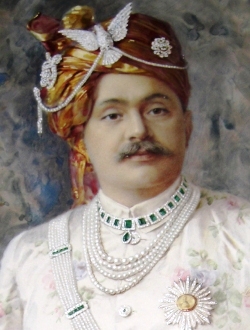
Lieutenant-General Maharajah Jam Shri Sir Digvijaysinhji Ranjitsinhji Jadeja Bahadur (1895-1966), Maharajah Jam Sahib of Nawanagar from 1933 to 1966. Shree Vrajkuvar (1917-1992), a niece of Ranjitsinhji Vibhaji, married the Maharajah of Idar.
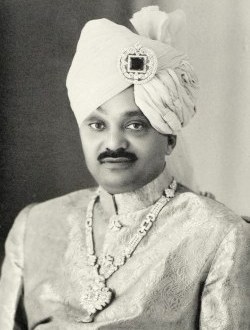
H.H. Jamsaheb Shatrusalyasinhji Jadeja is the present king of Jamnagar. He was born on 20 February 1939. He is the son of Jam Saheb Sri Digvijaysinhji Ranjitsinhji. Shatrusalyasinhji was educated at Malvern College in England. He Married Rani Bharati Rajya Lakshmi(married second, Mohinder Singh Chadha, a Delhi businessman) in November 1960.
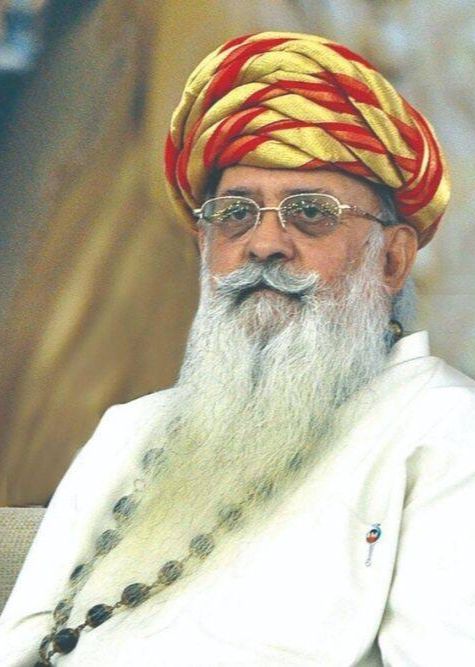
Gallary Glimpses
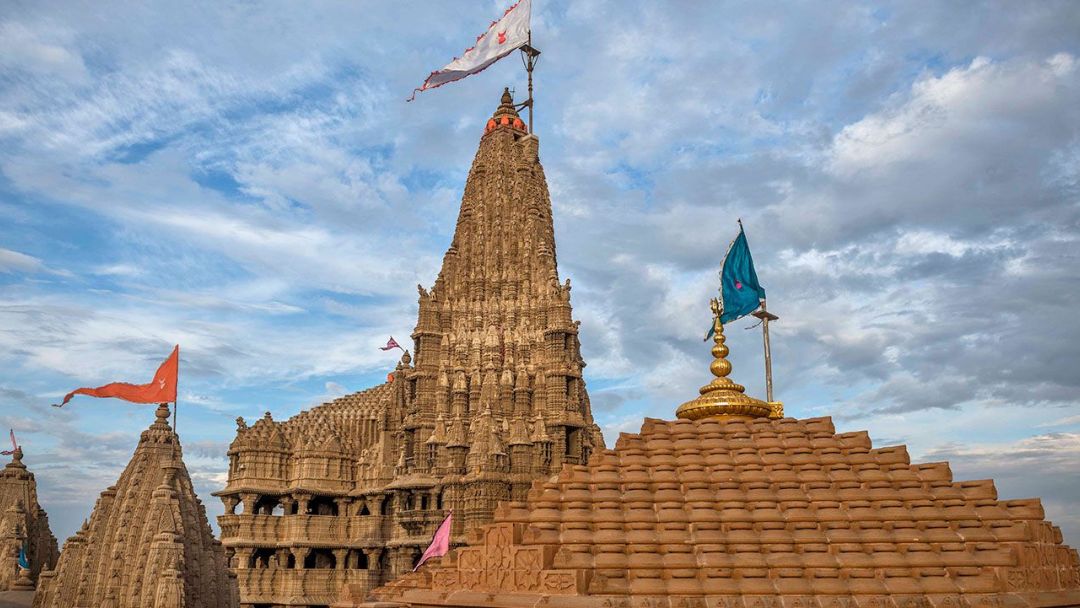
Dwarkadhish Temple
Dwarkadhish temple is dedicated to Lord Krishna and is one of the four most essential temples for pilgrims to visit in India. The temple is located in Dwarka, on the banks of the Gomati River. Dwarkadhish Temple consists of a five-story structure Supported by over 70 pillars.
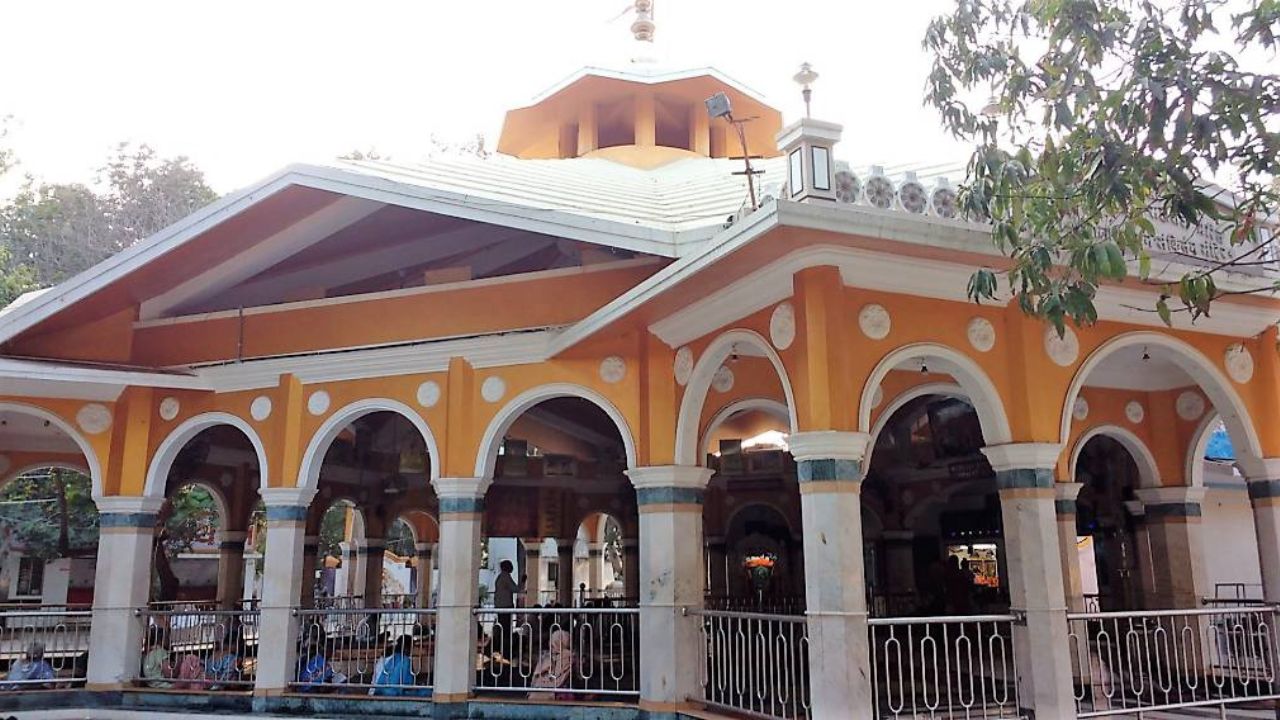
Shree Bala Hanuman Temple
Shri Bala Hanuman Sankirtan Mandir is the oldest temple, having been built in 1963-64 by Shri Prembhushan Ji Maharaj. Since August 1st, 1964, the Bala Hanuman temple in Jamnagar has been chanting Sri Ram, Jai Ram, Jai Jai Ram, day and night, on the southeast corner of Lakhota Lake or Ranmal Lake.

Vantara
Amid the tranquil landscapes of Jamnagar, India, Vantara shelters over 150,000 animals representing 2,000+ species. Each one arrives with a story of struggle and survival. Through compassionate rescue, expert care, and nurturing support, we help them rediscover trust, safety, and the freedom they deserve.
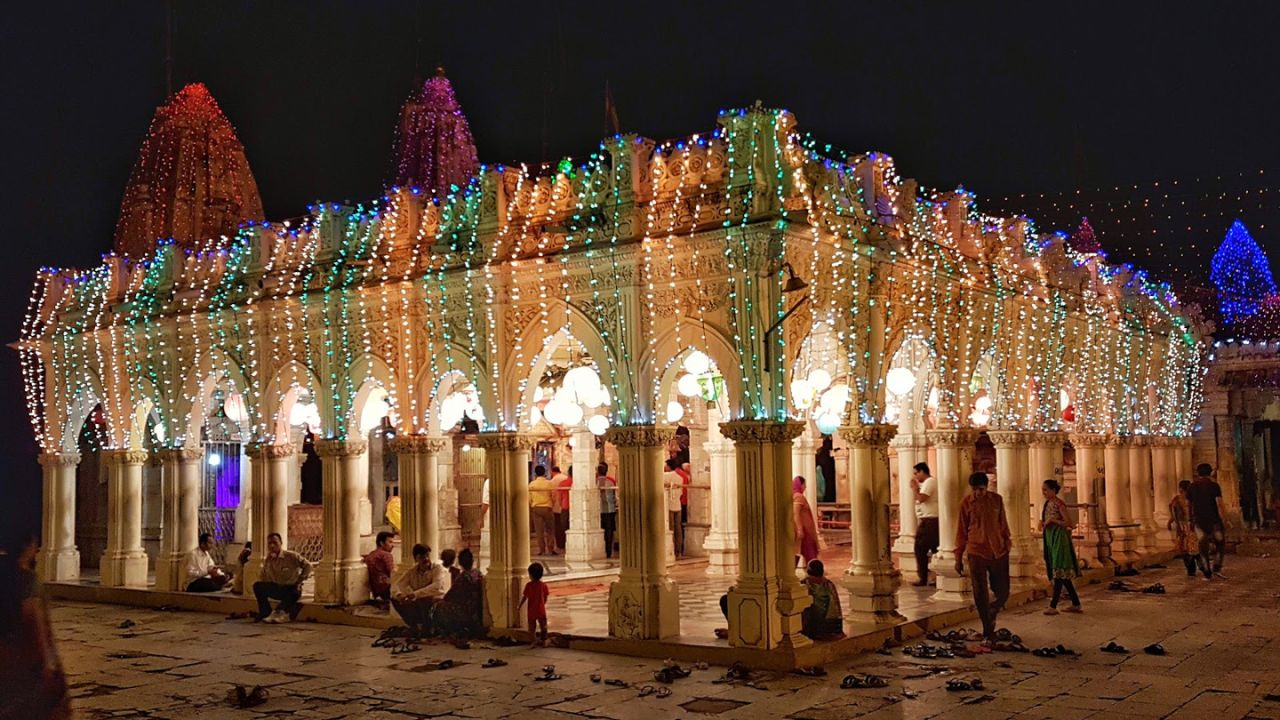
Bhidbhanjan Temple
The temple was dedicated to Lord Shiva in the seventeenth century. It is one of the few lesser-known temples in Jamnagar that attracts a small number of tourists each year from all around India and the world who come to see the superb and unusual historical items on display.
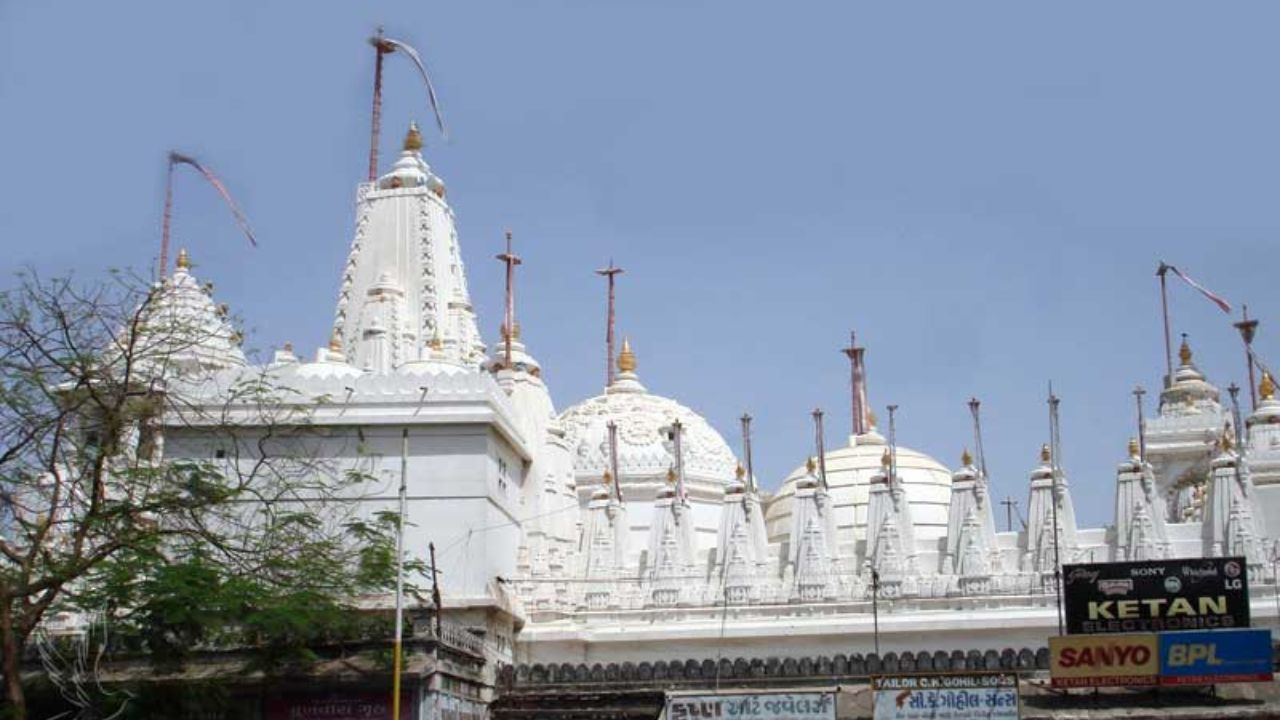
Jain Temple
Shantinath temple and Adinath temple are two of the most important Jain temples in Jamnagar. The temples were built between 1574 and 1622 and are both religious and historical landmarks
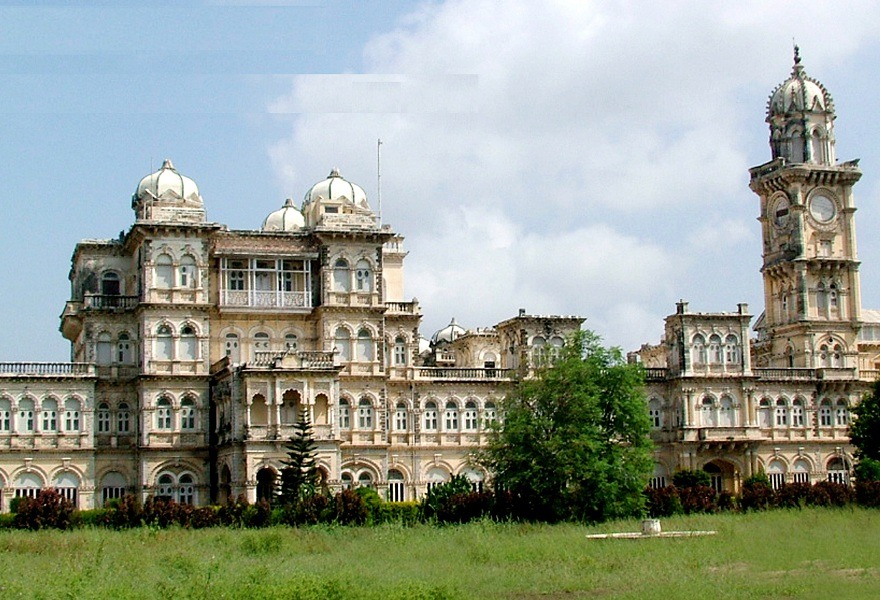
Pratap Vilas Palace
Pratap Vilas was built between 1907 and 1915 by Maharaja Pratap Ranjit Singhji. The Palace was built in Indo-Saracenic architectural styles with European architectural inspirations, evocative to Kolkata’s Victoria Memorial Building. Here, the three domes are the main attraction
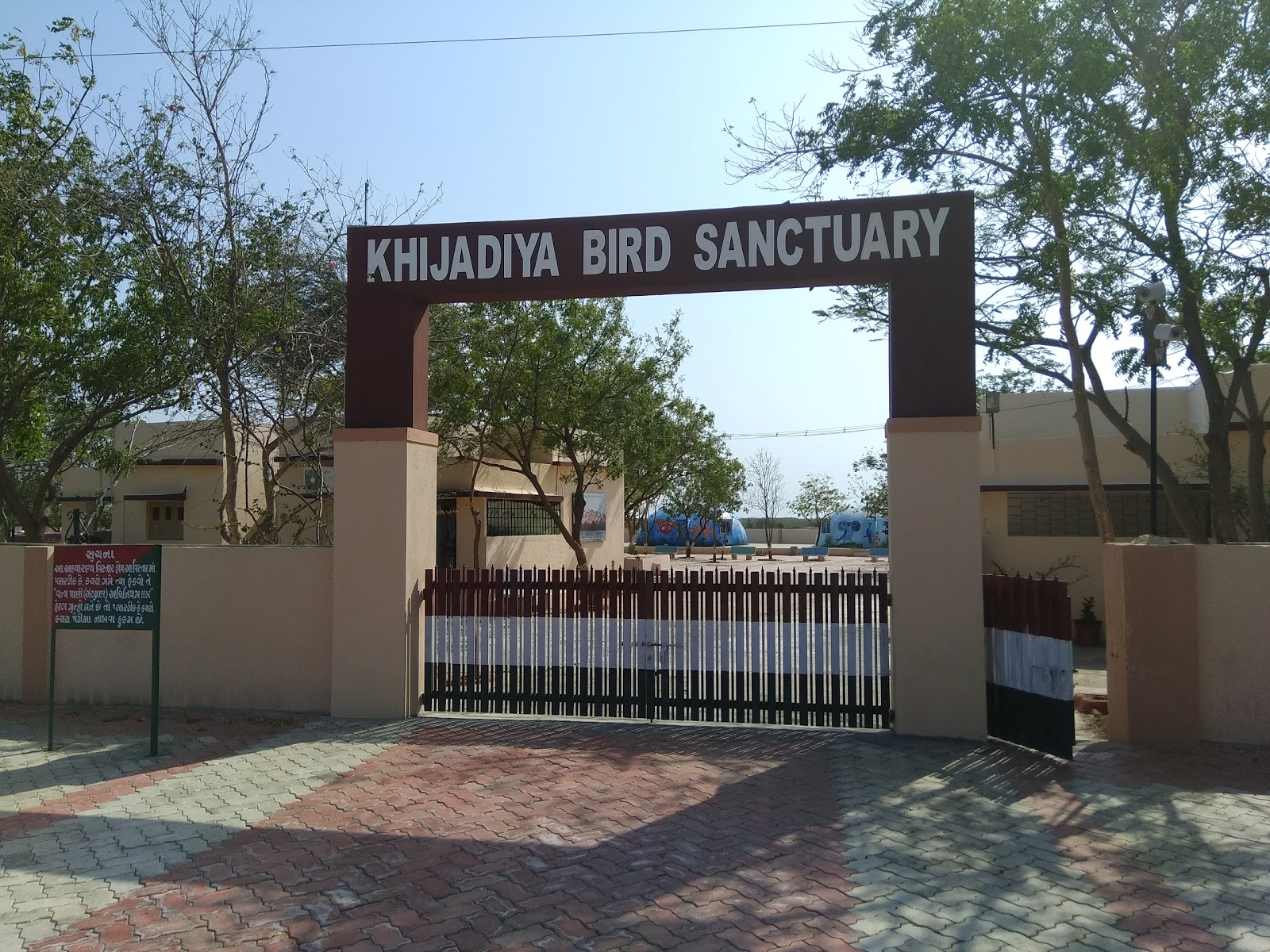
Khijadia Bird Sanctuary
Khijadiya is a bird sanctuary located in Khijadiya Village in the Jamnagar district of Gujarat.as it is home to over 250 species of resident and migratory birds, including globally endangered species.
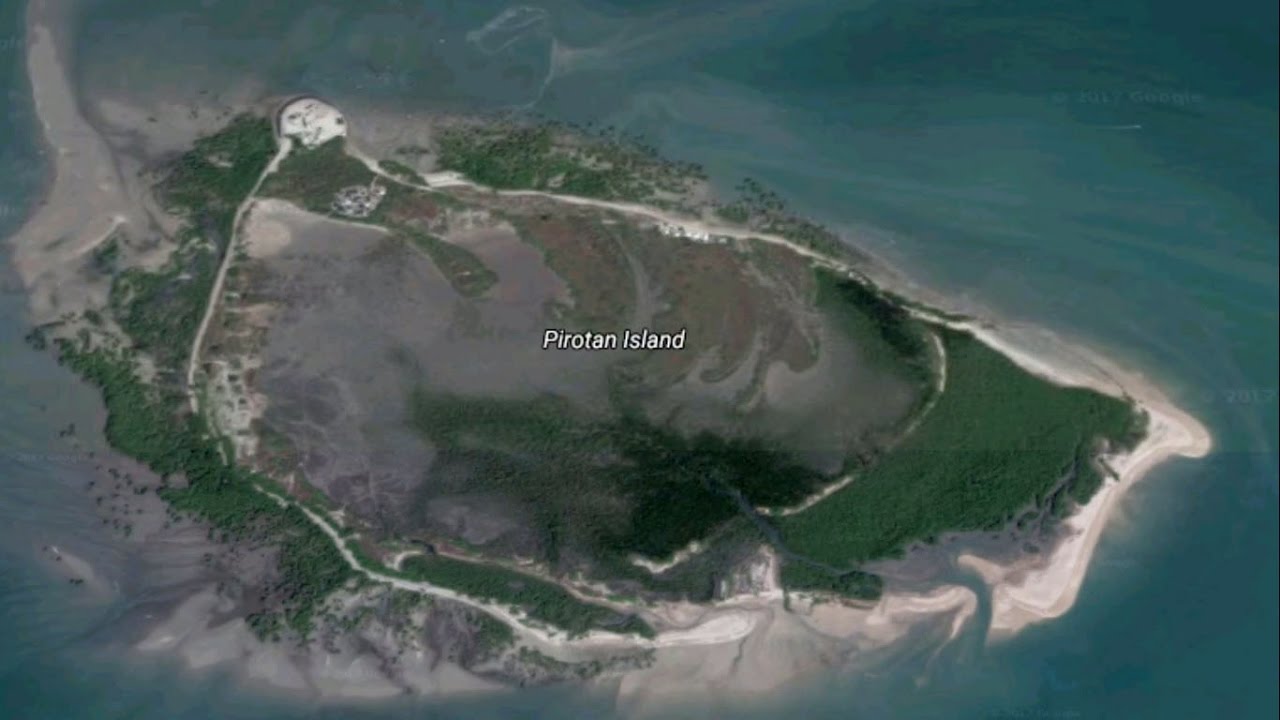
Pirotan Island
Pirotan Island is a small island in the Gulf of Kutch near Jamnagar, about 10 kilometers from Jamnagar Railway Station. It is one of Gujarat’s most beautiful islands and one of Jamnagar’s most popular tourist destinations.
FAQs
Where is Jamnagar located?
Jamnagar is located in the state of Gujarat, India, along the coast of the Arabian Sea in the Saurashtra (Kathiawar) region.
What is Jamnagar famous for?
Jamnagar is famous for the world’s largest oil refinery complex, the traditional brass parts industry, Bala Hanuman Temple, Lakhota Lake and Fort, and the Khijadiya Bird Sanctuary.
Who founded Jamnagar?
Jamnagar was founded in 1540 by Jam Raval, the ruler of Nawanagar.
What is the best time to visit Jamnagar?
The best time to visit Jamnagar is from October to March, when the weather is pleasant for sightseeing and outdoor activities.
Is Jamnagar a coastal city?
Yes, Jamnagar is a coastal city located near the Arabian Sea, giving it both industrial and natural importance.